Behind every reliable electrical installation lies a network of conduit protecting the wiring from damage, moisture, and physical stress. Yet choosing among the various electrical conduit types is a decision that trips up even experienced professionals, because the right choice depends on environment, code, budget, and application. This guide breaks down the major conduit types, where each excels, and how to make the correct selection for your next commercial or industrial project.
Why Conduit Choice Matters
Conduit is far more than a hollow tube. It safeguards conductors against impact, abrasion, and environmental hazards while providing a grounding path and a route for future wire pulls. The wrong conduit in the wrong setting can lead to corrosion, code violations, and costly rework. Selecting correctly the first time protects both the installation and your reputation.
The decision also affects labor and material costs significantly, which is why understanding the trade-offs is part of running a profitable job. As with any major material category, sourcing matters too, and our guide to choosing electrical supply for contractors covers how to find dependable supply for high-volume materials like conduit.
EMT: Electrical Metallic Tubing
EMT, often called thin-wall conduit, is one of the most widely used types in commercial construction. Made of coated steel or aluminum, it is lightweight, relatively inexpensive, and easy to bend with the right tools. EMT is ideal for indoor, dry locations such as exposed runs in commercial buildings, warehouses, and retail spaces.
Because it is thin-walled, EMT relies on fittings rather than threading for connections. It offers solid physical protection at a reasonable cost, making it the workhorse of countless interior installations. It is not, however, suited to areas with significant corrosion risk or heavy mechanical abuse.
Rigid Metal Conduit and IMC
When maximum protection is required, rigid metal conduit, or RMC, is the heavyweight choice. Thick-walled and threaded, RMC withstands severe physical impact and harsh environments, including outdoor, industrial, and hazardous locations. Intermediate metal conduit, or IMC, offers similar protection with thinner walls and lighter weight, making it a popular middle-ground option.
Both provide excellent grounding continuity and durability, but they cost more and demand more labor to install due to threading and their heavier weight. For demanding industrial settings, the investment is justified by the protection delivered.
PVC: Rigid Nonmetallic Conduit
PVC conduit is the go-to for corrosive environments and underground applications. It resists moisture, chemicals, and corrosion that would degrade metal conduit, making it ideal for buried runs, wet locations, and certain industrial settings. It is also lightweight and economical.
The trade-offs are that PVC does not provide a grounding path, so a separate ground conductor is required, and it expands and contracts with temperature changes, demanding expansion fittings on long runs. Proper planning around these characteristics ensures a durable installation.
Flexible Conduit Options
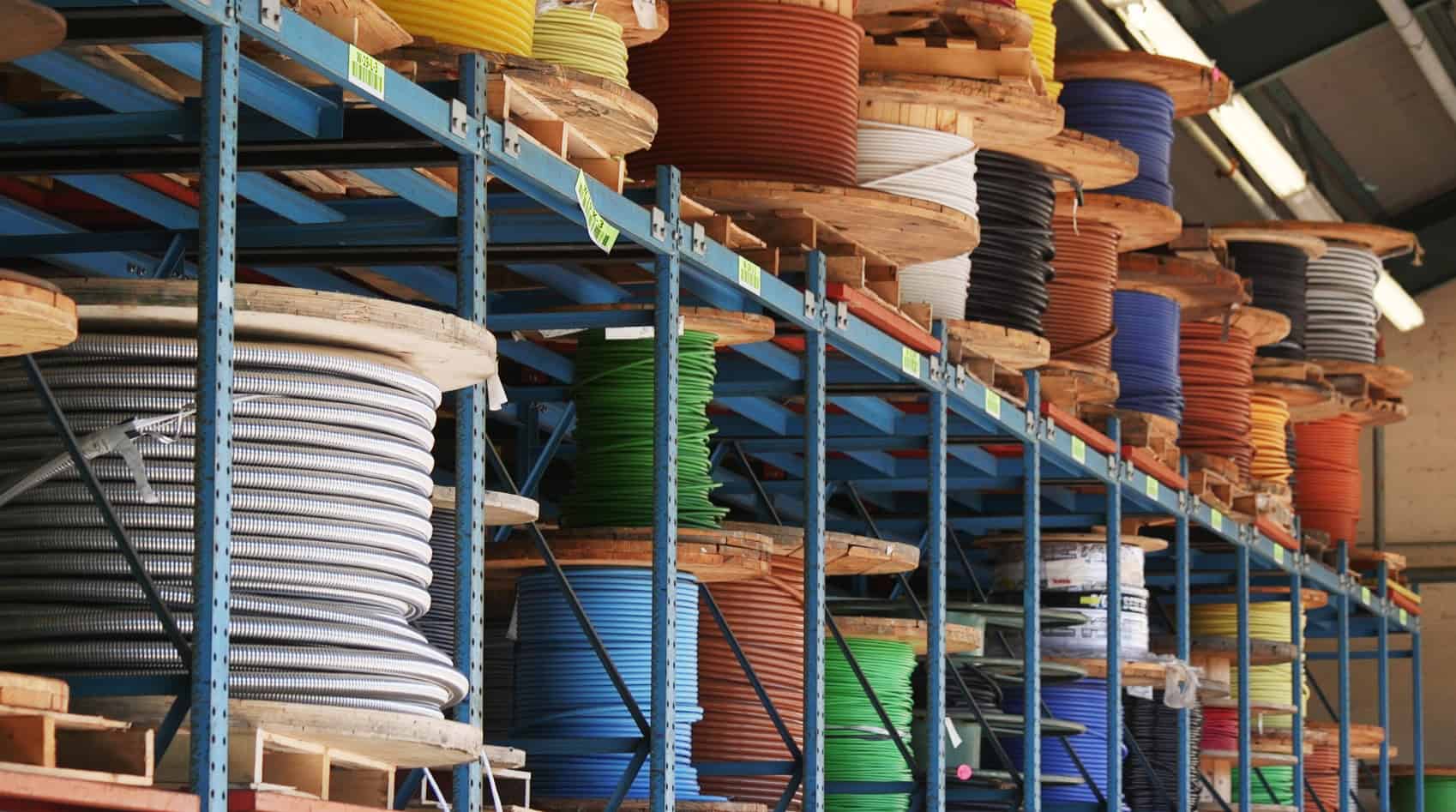
For connections to equipment that vibrates or requires movement, flexible conduit is essential. Flexible metal conduit, or FMC, suits dry interior connections to motors and machinery, while liquidtight flexible conduit adds a waterproof jacket for wet or outdoor equipment connections.
These types absorb vibration and allow positioning flexibility that rigid conduit cannot. They are commonly used for final connections to motors, HVAC units, and other equipment where a small amount of give prevents conductor fatigue. Proper grounding of these connections, particularly in industrial settings, is critical and ties directly into your overall system safety.
Matching Conduit to the Application
The right choice always comes back to the environment and the load. Indoor dry runs favor EMT; corrosive or buried runs favor PVC; high-impact industrial zones favor RMC or IMC; and equipment connections call for flexible options. Conduit fill rules, governed by code, also dictate how many conductors a given size can carry, so sizing must account for both the wire and future capacity.
Large institutional projects add further complexity, with extensive runs and demanding specifications. Our guide to choosing industrial electrical supplies addresses the scale and sourcing considerations that come with these bigger jobs, where conduit decisions multiply across an entire facility.
Don’t Overlook the Distribution Equipment
Conduit ultimately routes power from your distribution equipment to its destination, so the two must be planned together. Understanding how power flows through your facility, from the service entrance through breaker panels and out to loads, informs every conduit decision. Our explainer on Square D breaker boxes covers the reliability of the distribution equipment that anchors these conduit runs.
The Bottom Line
Mastering electrical conduit types is fundamental to delivering installations that are safe, compliant, and built to last. EMT for everyday interior runs, rigid and IMC for tough environments, PVC for corrosion and burial, and flexible conduit for equipment connections, each has its place. Match the conduit to the environment, respect code fill requirements, and source quality materials from a reliable partner, and your installations will stand the test of time.
 English
  Spanish