Education is a sensory experience. From the texture of a textbook page to the clarity of a teacher’s voice, students rely on their environment to absorb information. However, one of the most influential factors in a learning space is often the one we notice least until it goes wrong: the lighting. For decades, the hum and flicker of traditional fluorescent tubes defined the school experience. Today, the shift toward LED lighting for classrooms is revolutionizing how we design schools, prioritizing both student well-being and fiscal responsibility.
As an industry leader in the Mid-Atlantic, Dominion Electric Supply understands that upgrading school infrastructure is about more than just changing bulbs. It is about creating a specialized atmosphere where focus is sharp and distraction is minimal.
The Impact of Lighting on Learning and Health
The human brain is highly sensitive to the quality of light. Studies in chronobiology have shown that light regulates our internal clocks, or circadian rhythms. When schools utilize outdated lighting, they may inadvertently contribute to student fatigue or hyperactivity. Modern LED systems allow for greater control over the visual environment, which directly impacts educational outcomes.
Visual Comfort and Reduced Eye Strain
Unlike older lighting technologies, high-quality LEDs provide a steady, flicker-free light source. Fluorescent lights often have a subtle strobe effect that, while nearly invisible to the naked eye, can cause significant strain on the brain. This leads to headaches, eye fatigue, and decreased reading comprehension. By implementing sophisticated commercial lighting projects, schools can ensure that the light reaching a student’s desk is uniform and gentle on the eyes.
The Science of Color Temperature
One of the most significant advantages of LEDs is the ability to adjust the Correlated Color Temperature (CCT). Light is measured in Kelvins (K), and different temperatures provoke different psychological responses:
- 3000K to 3500K (Warm White): Best for relaxation, storytime, or calming down after recess.
- 4000K to 4100K (Neutral White): Ideal for general classroom tasks and collaboration.
- 5000K to 6500K (Cool Daylight): Excellent for high-focus activities like testing or science labs.
Energy Efficiency and the Bottom Line
School districts are often faced with tight budgets. Maintenance and utility costs are two of the largest line items in an educational facility’s budget. Transitioning to LED technology provides a clear path to long-term savings.
Lowering Utility Bills
LEDs are significantly more efficient than their predecessors. On average, an LED fixture uses 50% to 75% less energy than a traditional fluorescent system. In a large high school with hundreds of classrooms, hallways, and gymnasiums, these savings can amount to tens of thousands of dollars per year. These are funds that can be redirected toward teachers, technology, or extracurricular programs.
Reduced Maintenance Costs
The lifespan of an LED fixture can exceed 50,000 to 100,000 hours. For a typical school, this means the lights could last for over a decade without needing a single replacement. By browsing a diverse product catalog, facility managers can find heavy-duty fixtures that are built to last in high-traffic school environments. This eliminates the need for custodial staff to constantly spend time on ladders replacing burnt-out tubes.
Advanced Controls: The Next Frontier
The true power of LED lighting for classrooms lies in control systems. The modern classroom is a multi-functional space. One moment it is a lecture hall, and the next it is a cinema for a documentary or a quiet zone for independent study.
Dimming and Scene Selection
Modern LED drivers allow for seamless dimming. Unlike old dimmers that would make lights buzz or flicker, LED dimming is smooth and silent. Teachers can use preset “scenes” to adjust the room instantly. A “Presentation” scene might dim the lights near the whiteboard while keeping the back of the room lit for note-taking.
Occupancy and Daylight Harvesting
Smart lighting systems use sensors to detect when a room is empty, automatically turning off lights to save power. Furthermore, “daylight harvesting” sensors can detect the amount of natural sunlight entering the windows and dim the LEDs accordingly. This maintains a constant light level on the desks while using the least amount of electricity possible.
Designing for Different Educational Spaces
Not every room in a school has the same requirements. A comprehensive approach to school lighting involves tailoring the solution to the specific function of each area.
Science Labs and Art Rooms
In these environments, color accuracy is paramount. This is measured by the Color Rendering Index (CRI). A high CRI (90 or above) ensures that chemicals in a lab or paints in an art studio look exactly as they should under natural light. Dominion works with top-tier lighting manufacturers to provide fixtures that offer the highest color fidelity in the industry.
Gymnasiums and Multi-Purpose Rooms
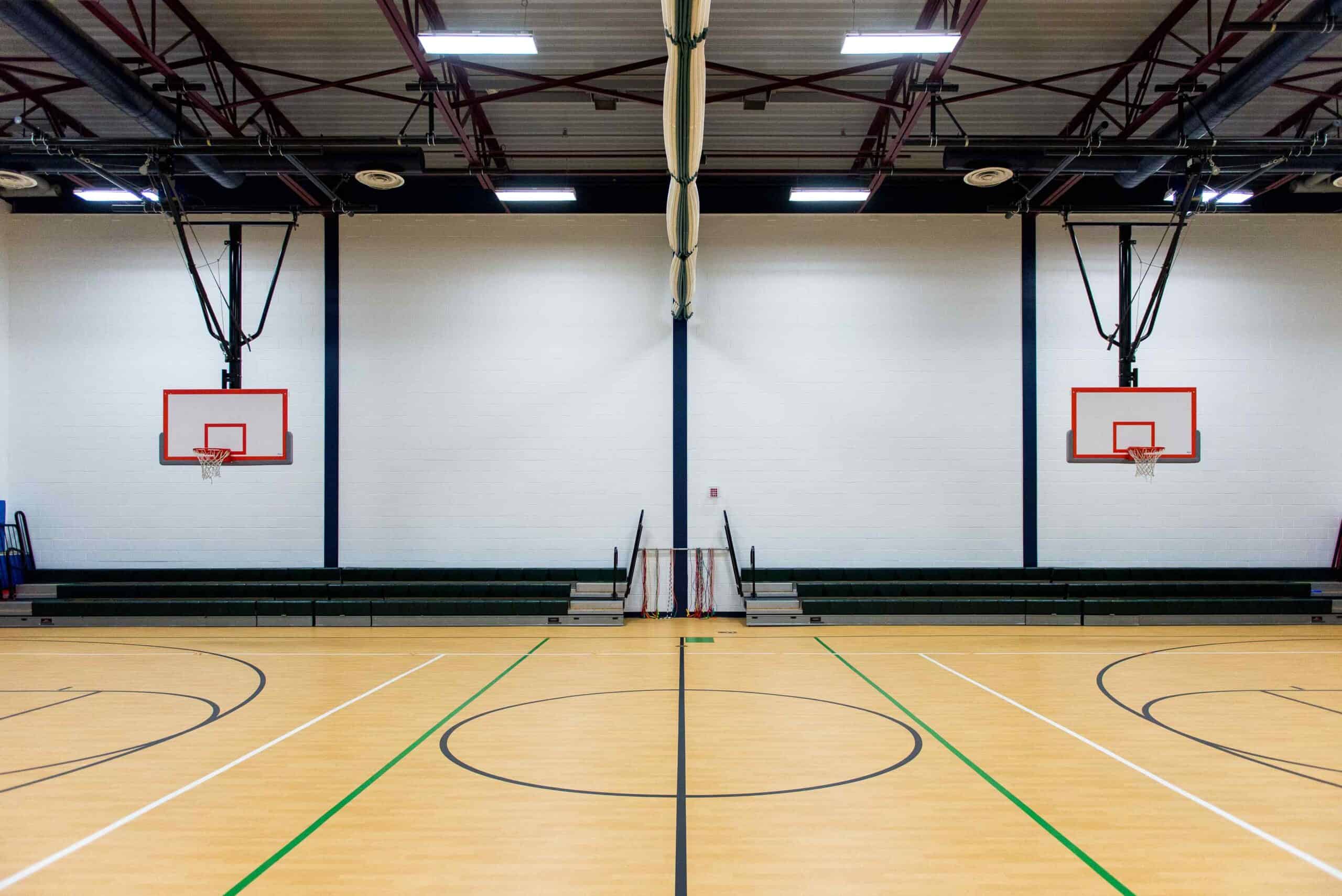
These spaces require high-output lighting that can withstand physical impact. LED high-bay fixtures are designed to be durable and provide massive amounts of light for sporting events. Because LEDs reach full brightness instantly, there is no “warm-up” period like there was with old metal halide lamps.
Hallways and Common Areas
Safety is the priority in transitional spaces. Bright, uniform lighting prevents accidents and improves security. In these areas, LEDs can be programmed to stay at a dim “pathway” level during class time and ramp up to full brightness during passing periods.
The Role of Dominion Electric Supply
Choosing the right equipment for a school project requires a partner who understands both the technical and logistical needs of the education sector. With decades of experience, Dominion Electric Supply acts as a bridge between manufacturers and school districts.
| Feature | Fluorescent Lighting | LED Lighting |
| Lifespan | 10,000 – 20,000 hours | 50,000 – 100,000+ hours |
| Flicker | Common (magnetic ballast) | None (digital driver) |
| Mercury Content | Contains Mercury | Mercury-Free |
| Dimming | Limited and expensive | Highly controllable |
| Instant On | Often delayed | Immediate |
By consulting with local lighting experts, educational planners can receive tailored advice on which fixtures meet local building codes and which systems provide the best return on investment.
A Sustainable Future for Students
The environmental impact of school lighting cannot be ignored. Beyond the reduction in energy consumption, LEDs are a “greener” choice because they do not contain toxic mercury, which is found in all fluorescent lamps. When a fluorescent tube breaks in a classroom, it creates a minor hazardous materials situation. LEDs eliminate this risk entirely.
Furthermore, because LEDs last so much longer, the volume of waste sent to landfills is drastically reduced. This sets a positive example for students, demonstrating that the institutions where they learn are also committed to protecting the planet.
Final Thoughts on Implementation
Upgrading to LED lighting for classrooms is a clear win for everyone involved. Students get a healthier environment that supports their concentration and circadian health. Teachers get a flexible tool that helps them manage classroom behavior. Taxpayers and school boards get a significant reduction in operational costs.
As we continue to modernize our educational infrastructure, the focus must remain on quality. Cutting corners with sub-par lighting components leads to maintenance headaches down the road. By partnering with established distributors and focusing on high-performance technology, schools can ensure that the “lightbulb moment” for every student is illuminated by the best technology available.
What is the primary goal for your upcoming school project: reducing energy overhead or improving the learning environment for students?
 Spanish
  English